Mouth Ulcers | Causes, Types, Treatments & Prevention: Let's Get Rid of Those Pesky Sores!
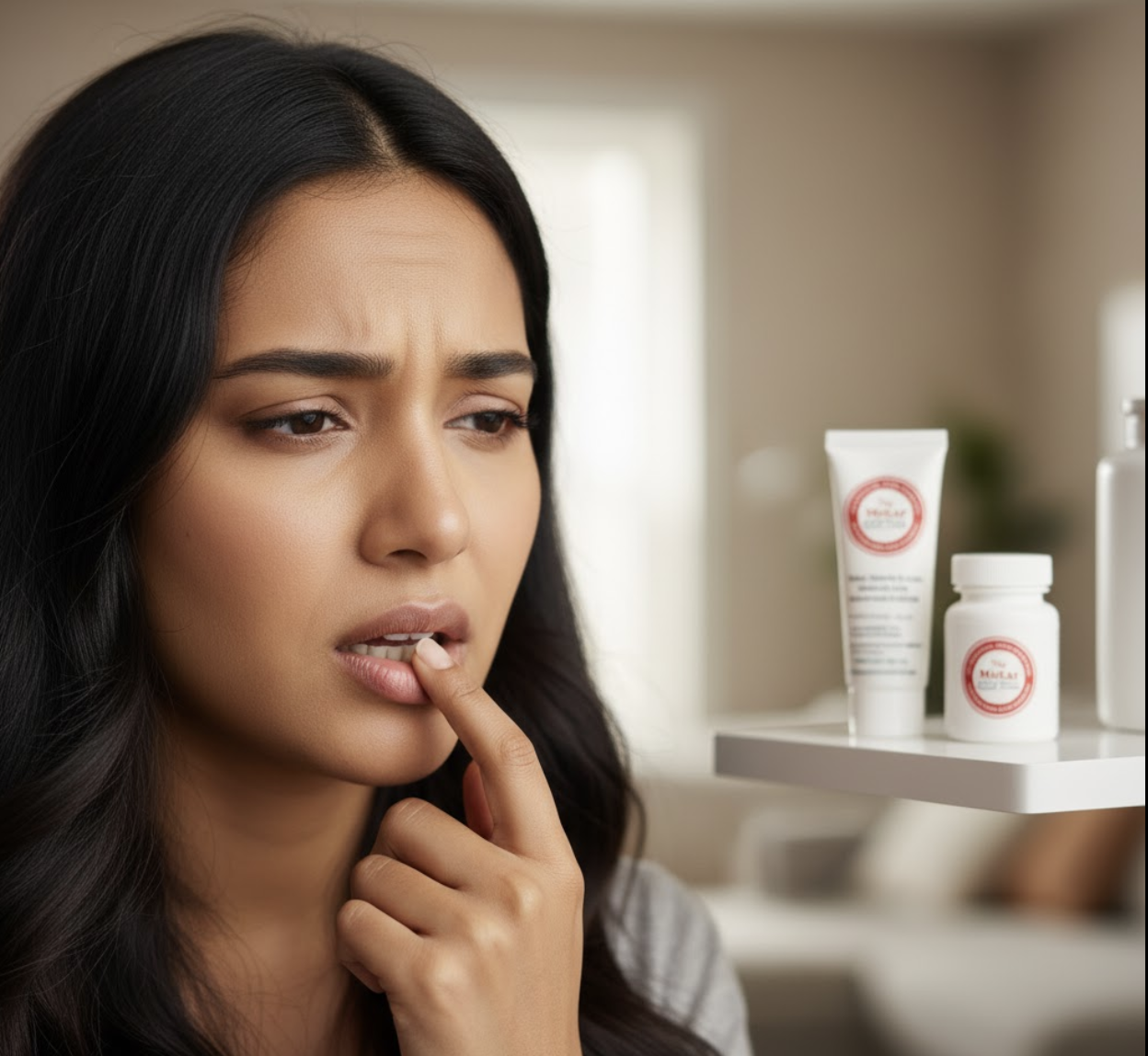
Hey there, amazing people! Your friendly beginner blogger is back, and today, I want to talk about something almost everyone has experienced at some point: those annoying, sometimes excruciatingly painful, mouth ulcers! Ugh, just thinking about them makes me wince a little. You know, those tiny, fiery spots that pop up inside your mouth, making even your favorite food taste... well, painful? Eating, drinking, even just talking can become a real challenge. It's like having a tiny, unwelcome guest that sets up camp on your gums, tongue, inner cheeks, lips, or even the roof of your mouth.
While most of the time these little nuisances are harmless and actually heal up on their own in about a week or two, they can still cause so much discomfort. I truly get how frustrating they can be! You just want them GONE, right?
Well, you’re in the right place! This guide is going to be your new best friend when it comes to understanding these pesky sores. We'll explore the different kinds of ulcers, what usually causes them, how doctors figure out what's going on, the best ways to treat them (both at home and with a little help), and most importantly, how to try and stop them from even appearing in the first place! My goal is to help you feel empowered and ready to manage them effectively, so you can get back to enjoying life – and your food! – without that irritating pain. Let's conquer these together!
Contact us today! Mobile no: +918329110882
Book your appointment now: https://calendar.app.google/7wdAysrNGps2ATC5A
Visit our website to learn more: https://themolardentalcare.in/
What Are Mouth Ulcers? Understanding These Little Troublemakers!
So, let's start with the basics. What exactly are mouth ulcers? You might also hear them called oral ulcers or canker sores. They're basically small, open sores or lesions that appear inside your mouth. They can look red, white, or yellow, and sometimes they have a little red "halo" around them. While they’re typically harmless – meaning they usually don’t pose a serious health risk – they can be incredibly irritating and uncomfortable.
The funny thing about mouth ulcers is that their exact cause is often a bit of a mystery, like a tiny medical whodunit! But even though we don’t always know the exact reason for every single one, we do know a lot of common triggers that can set them off. Think of these as the usual suspects:
- Minor Injuries in the Mouth: Ever accidentally bite your cheek while eating? Or maybe your toothbrush slipped? Little scrapes like these can easily turn into an ulcer.
- Stress and Hormonal Changes: Our bodies are amazing, but sometimes stress can play tricks on us. Feeling a lot of pressure or going through hormonal shifts (like during menstruation or pregnancy) can sometimes trigger an outbreak.
- Nutritional Deficiencies: Believe it or not, not getting enough of certain vitamins and minerals, like Vitamin B12, iron, or folate, can make you more prone to ulcers. Our diet truly matters!
- Allergies or Sensitivities: Sometimes, you might be sensitive to certain foods (acidic ones like oranges or tomatoes are common culprits!) or even ingredients in your toothpaste.
- Underlying Medical Conditions: In some cases, recurrent or persistent ulcers can be a little alarm bell, pointing to a deeper health issue. We’ll talk more about this later.
Understanding these common triggers is the first step in getting a handle on mouth ulcers!
Types of Mouth Ulcers: Not All Sores Are Created Equal!
It might surprise you to know that there isn't just one type of mouth ulcer! They come in a few different forms, and knowing the difference can sometimes help us understand what's going on.
- Canker Sores (Aphthous Ulcers): The Most Common Culprit! These are probably what most of us think of when we hear "mouth ulcer." They’re typically small, round or oval, and they often have a white or yellow center with a bright red, inflamed edge. Ouch! They often show up on the soft, movable parts of your mouth – your tongue, inner lips, and cheeks. What triggers them? Minor trauma (like that accidental bite), eating acidic foods, or yes, that old friend, stress! How do you know if it’s a canker sore? If it’s small, painful, and fits that description, it’s likely one.
- Oral Lichen Planus: A Less Common Guest This one sounds a bit fancy, right? Oral lichen planus often appears as white, lace-like patches or lines inside your mouth. Sometimes, it can also show up as red, inflamed areas or even open sores. These can be pretty itchy or cause a burning sensation. This is considered an autoimmune condition, meaning your body’s immune system mistakenly attacks healthy cells in your mouth. It’s more common in women, especially over the age of 50. How is it different from a canker sore? Its appearance is distinct, and it tends to be chronic.
- Leukoplakia: The White Patches Leukoplakia refers to white or gray patches that develop inside the mouth. These patches are a result of too much cell growth and can’t be easily scraped off. While they are usually non-cancerous, they are often linked to tobacco use (smoking or chewing). It’s super important to get these checked out, even if they don’t hurt. How can you tell if it’s leukoplakia? It usually looks like a thickened white patch that doesn't go away.
- Erythroplakia: The Red Patches (Pay Attention to These!) Now, erythroplakia is a type of red patch in the mouth. These patches are less common than leukoplakia but are actually more likely to be precancerous, meaning they have a higher chance of turning into cancer. Like leukoplakia, they are usually associated with tobacco use. If you see persistent red patches, it’s a big signal to get professional advice right away. How serious is erythroplakia? It needs immediate attention because of its potential.
- Oral Thrush: A Fungal Friend (or Foe!) Oral thrush is a fungal infection caused by an overgrowth of Candida albicans, a yeast that’s normally present in small amounts in our mouths. It often looks like creamy white or red patches, sometimes described as cottage cheese-like, on the tongue, inner cheeks, or roof of the mouth. It’s common in babies, people with weakened immune systems (like those with HIV/AIDS), or those taking certain medications, like antibiotics or steroids. How does it feel? It can cause soreness and a cottony feeling in the mouth.
- Mouth Cancer: The Serious One I know, this sounds scary, but it’s vital to talk about. Most mouth ulcers are NOT cancer. However, if you have a persistent sore that doesn't heal after three weeks (that’s a key number!), especially if it’s unusually large, painless (sometimes a worrying sign!), or appears in an odd spot, it must be looked at by a dentist or doctor. Early evaluation is incredibly important for mouth cancer. How do you know if it's mouth cancer? Only a professional medical evaluation can truly tell.
Causes of Mouth Ulcers: Why Do They Even Happen?!
Now that we know the different types, let’s dig a little deeper into why these unwelcome sores pop up. Mouth ulcers can develop due to a surprising variety of factors – everything from little physical accidents to what we eat, how we live, and even some deeper health stuff.
- Physical Trauma: The Little Accidents This is probably the most common cause. Think about it:
- Accidental Biting: Who hasn't accidentally bitten their cheek or tongue while eating? Ouch!
- Dental Work: Sometimes, after a dental procedure, the mouth can be a bit sensitive, or a new filling or brace might irritate a spot, leading to an ulcer.
- Hard Brushing: Brushing your teeth with too much force or using a toothbrush with very stiff bristles can sometimes cause little abrasions.
- Burns from Hot Food: Taking a bite of pizza or a sip of coffee that’s too hot can burn the delicate tissues in your mouth, which might then turn into an ulcer. How can you prevent this? Be mindful when eating or drinking very hot items!
- Irritants & Sensitivities: What You Put In Your Mouth Sometimes, it’s not an accident, but something you're consistently using or eating:
- Sodium Lauryl Sulfate (SLS) in Toothpaste: This is a foaming agent found in many kinds of toothpaste. For some people, it can irritate the mouth lining and trigger ulcers. If you get frequent ulcers, try switching to an SLS-free toothpaste. How can you tell if your toothpaste has SLS? Check the ingredients list!
- Acidic or Spicy Foods: Foods like citrus fruits (oranges, lemons), tomatoes, pineapples, vinegar, or very spicy dishes can irritate sensitive mouth tissues, especially if you're prone to ulcers. How much should you limit them? If you notice a pattern, try reducing them during an outbreak.
- Nutritional Deficiencies: Your Body Needs Its Fuel! Our bodies need a whole orchestra of vitamins and minerals to function perfectly, and a lack of certain ones can leave your mouth more vulnerable:
- Vitamin B12: This vitamin is crucial for healthy nerve and blood cells.
- Folate (Vitamin B9): Essential for cell growth and repair.
- Vitamin D: Important for overall immune function and bone health.
- Iron: Key for carrying oxygen in your blood.
- Zinc: Plays a big role in immune function and healing. If you’re often getting ulcers, a simple blood test can sometimes show if you’re low on any of these. How can you boost these? Talk to your doctor about diet changes or supplements!
- Hormonal Changes: The Body's Rhythms Our hormones are powerful! Fluctuations can sometimes trigger mouth ulcers. This is why some people notice them more around:
- Menstruation: Just before or during a period.
- Pregnancy: Hormonal shifts during pregnancy.
- Puberty: The teenage years bring a lot of hormonal changes.
- Menopause: Another significant time of hormonal shift. How do hormones cause ulcers? It's not fully understood, but it's believed to affect the mouth's immune response and tissue health.
- Stress & Lifestyle Factors: When Life Gets Hectic This is a big one for many of us! Our mental and emotional state can truly affect our physical health:
- Anxiety and Stress: When you’re stressed, your body reacts in many ways, and sometimes that includes becoming more prone to ulcers.
- Lack of Sleep: Not getting enough restorative sleep can weaken your immune system.
- Quitting Smoking: Ironically, while smoking is terrible for oral health, some people experience ulcers temporarily after quitting as their body adjusts and heals. Keep going, it’s worth it! How does stress cause ulcers? It's thought to suppress the immune system, making you more vulnerable.
- Infections: Unwanted Guests Sometimes, ulcers are a symptom of a larger infection:
- Viral Infections: Like herpes simplex virus (which causes cold sores, though technically different from canker sores), chickenpox, or hand, foot, and mouth disease.
- Bacterial or Fungal Infections: Less common, but can happen. How do you know if it's an infection? Often, there will be other symptoms like fever or multiple sores.
- Medications: Unexpected Side Effects Certain medications can sometimes have side effects that include mouth ulcers. These might include:
- NSAIDs (Non-Steroidal Anti-Inflammatory Drugs): Like ibuprofen or aspirin.
- Beta-blockers: Used for heart conditions.
- Certain Painkillers: And some other prescription drugs. If you suspect a medication is causing your ulcers, never stop taking it on your own! Talk to your doctor. How do medications cause ulcers? They can sometimes affect the lining of the mouth or the immune system.
- Underlying Health Conditions: Deeper Reasons For people with frequent, severe, or unusually persistent mouth ulcers, an underlying health condition might be the cause. This is why it’s so important to see a doctor if your ulcers are problematic. Some conditions include:
- Autoimmune Diseases: Where the immune system attacks healthy tissues, such as lupus or Behçet’s disease.
- Inflammatory Bowel Diseases (IBD): Like Crohn’s disease or ulcerative colitis.
- Celiac Disease: An intolerance to gluten.
- HIV/AIDS or a Weakened Immune System: Making the body more vulnerable to infections and sores. How do these conditions cause ulcers? They often involve widespread inflammation or immune system dysfunction.
Wow, that’s a lot of potential causes! But don’t feel overwhelmed. Your dentist or doctor can help you figure out what might be triggering your ulcers.
How Are Mouth Ulcers Diagnosed? Solving the Mystery!
So, you have a mouth ulcer. How does a healthcare professional figure out what’s going on, especially if it's a tricky one? It’s usually a pretty straightforward process:
- Visual Examination: A Good Look! The first thing your doctor or dentist will do is simply look inside your mouth. They'll carefully inspect the ulcer, noting its size, shape, color (red, white, yellow), and exactly where it’s located. They might gently touch around it to see if it’s tender or firm. This visual check gives them a lot of clues!
- Medical History: Your Story Matters! This is super important. Your doctor will ask you lots of questions about your health and lifestyle. They’ll want to know:
- How often do you get ulcers?
- When did this ulcer first appear?
- Have you noticed any specific triggers (like certain foods, stress, or injuries)?
- Are you taking any medications?
- Do you have any other symptoms (like fever, tummy troubles, or joint pain)?
- Do you smoke or use tobacco? Your answers help them piece together the puzzle and narrow down the potential causes. How detailed should your answers be? The more information you can give, the better!
- Additional Tests (if needed): Digging Deeper Most of the time, the visual exam and your medical history are enough for a diagnosis. But if your ulcers are persistent, unusually severe, or if your doctor suspects an underlying condition, they might recommend some additional tests:
- Blood Tests: These can check for things like complete blood count (CBC), levels of Vitamin B12 or B9 (folate), ESR (Erythrocyte Sedimentation Rate), or CRP (C-Reactive Protein), which are markers for inflammation.
- Tests for Underlying Conditions: If something more serious is suspected (like celiac disease or an autoimmune condition), they might order specific tests for those conditions.
- Biopsy: In rare cases, especially if an ulcer is persistent or looks suspicious for oral cancer, a tiny piece of tissue might be taken for examination under a microscope. How long do these tests take for results? It varies, but your doctor will let you know.
Remember, a thorough diagnosis helps ensure you get the right treatment for your specific type of mouth ulcer.
Treatment for Mouth Ulcers: Finding Relief!
Okay, so you have an ulcer, and you want it gone! The good news is that most minor ulcers are self-healing, meaning they usually get better on their own. But even if they heal by themselves, treatments can be a lifesaver for relieving pain, helping them heal faster, and reducing how often they come back.
- Home Remedies & Over-the-Counter (OTC) Options: Your First Line of Defense! These are the things you can often do right away to find some comfort:
- Topical Applications:
- Baking Soda Paste: Mix a tiny bit of baking soda with water to make a paste and gently dab it on the ulcer. It helps neutralize acids and can be soothing.
- Milk of Magnesia: This antacid can also be dabbed on to coat and protect the ulcer.
- Benzocaine Gels: These are numbing gels you can buy at the pharmacy (like Orajel) that temporarily relieve pain.
- Ice Packs: Holding a small ice cube or ice pack (wrapped in a cloth) against the outside of your cheek near the ulcer can sometimes help with pain and swelling.
- Mouth Rinses:
- Saltwater Rinse: A classic for a reason! Mix a teaspoon of salt in a glass of warm water and gently swish it around your mouth for about 30 seconds. It helps clean the area and reduce inflammation. Do this a few times a day.
- Baking Soda Rinse: Similar to the paste, a baking soda rinse (mix a teaspoon in water) can help balance pH.
- Antiseptic Solutions: Over-the-counter antiseptic mouthwashes can help prevent secondary infection, but avoid ones with alcohol if your mouth is very sensitive.
- Natural Remedies:
- Echinacea, Myrrh, Licorice Root: These herbs have properties that some believe can help with healing or inflammation. You can often find them in oral rinses or tinctures.
- Damp Tea Bags: Placing a damp, used tea bag (especially black tea, which has tannins) on the ulcer for a few minutes can sometimes provide relief due to its astringent properties.
- Nutritional Supplements: If your doctor confirms a deficiency, taking supplements of Vitamin B12, folate, zinc, or iron can be very helpful in preventing future ulcers and supporting healing. How long should you use home remedies? Until the ulcer heals, or until you see a doctor if it persists.
- Prescription Treatments: When You Need a Little More Help If your ulcers are severe, very painful, or keep coming back, your doctor or dentist might prescribe stronger treatments:
- Topical Medications: These are applied directly to the ulcer. They might include steroid ointments (to reduce inflammation and pain) or stronger pain-killing gels.
- Oral Medications: For very severe or widespread ulcers, your doctor might prescribe steroid tablets or, in rare and very severe cases, immunosuppressants (medications that calm down an overactive immune system).
- Mouth Rinses: Your doctor might prescribe stronger steroid or antimicrobial rinses to reduce inflammation and fight infection.
- Cauterization: For truly stubborn or very painful ulcers that just won't heal, a dentist might use laser therapy or apply silver nitrate to "cauterize" (gently burn) the ulcer. This can help seal nerve endings and accelerate healing. How quickly do prescription treatments work? Often faster than home remedies for more severe cases.
Remember, always talk to your healthcare professional before starting any new treatment, especially prescription ones!
When to See a Doctor: Don't Ignore the Signals!
While most mouth ulcers are harmless, there are definite times when you absolutely must seek professional help. Your health is too important to guess!
- Ulcers Persist for More Than 3 Weeks: This is a golden rule! If an ulcer hasn't healed after three weeks, it needs to be checked out. This is one of the key indicators for something more serious, including potential oral cancer.
- New Ulcers Appear Before Old Ones Heal: If you have a constant cycle of ulcers, with new ones popping up before the previous ones have gone away, it suggests an ongoing issue that needs investigation.
- Sores Are Unusually Large, Painless, or Recurrent: Very large ulcers, or ones that don't cause any pain (which might seem good, but can actually be a worrying sign for certain conditions), or those that keep coming back frequently, all warrant a doctor's visit.
- Severe Pain Affects Eating or Drinking: If the pain is so bad that it's stopping you from eating or drinking properly, leading to weight loss or dehydration, it's definitely time to get help.
- Associated Symptoms Like Fever or Diarrhea Occur: If your mouth ulcers come along with other symptoms, especially systemic ones like a fever, skin rashes, joint pain, or digestive issues like diarrhea, it could indicate an underlying medical condition that needs to be diagnosed and treated.
Don’t ever hesitate to call your doctor or dentist if you’re worried! It's always better to be safe than sorry.
Questions to Ask Your Healthcare Provider: Be Your Own Advocate!
When you see your doctor or dentist about mouth ulcers, it’s great to go prepared with some questions. This helps you get the most out of your appointment and feel more in control of your health journey. Here are some good ones to ask:
- "What could be causing my recurring ulcers?"
- "Could an underlying health condition be responsible for these?"
- "What are the best ways I can prevent future ulcers?"
- "What treatments do you recommend for me, specifically?"
- "Should I make any adjustments to my diet or lifestyle?"
- "Are there any specific toothpastes or mouthwashes I should avoid or use?"
- "When should I come back or contact you again if things don't improve?"
Asking these questions helps you understand your situation better and participate actively in your own care!
Do’s and Don’ts with Mouth Ulcers: Simple Rules for Relief!
Here’s a quick and easy guide to remember when you’re dealing with mouth ulcers:
Do:
- Maintain Good Oral Hygiene: Gently brush your teeth twice a day and floss once. A clean mouth helps prevent infection and promotes healing. How gentle should you be? Use a soft-bristled brush and light pressure around the ulcer.
- Manage Stress: Find ways to relax! Whether it's meditation, exercise, or spending time with loved ones, reducing stress can sometimes help prevent outbreaks.
- Eat a Balanced Diet: Make sure you’re getting plenty of fruits, vegetables, and whole grains. This helps ensure you’re getting all those important vitamins and minerals.
- Visit a Healthcare Professional Regularly: Don’t skip your routine dental check-ups, and see a doctor if your ulcers are problematic. Early detection is key!
Don’t:
- Use Harsh Toothpaste or Mouthwash: Avoid products with strong chemicals like SLS or alcohol, as they can irritate sensitive ulcers.
- Skip Meals or Eat Overly Spicy Foods: Try to eat soft, bland foods during an outbreak. Spicy, acidic, or crunchy foods can aggravate ulcers and make them more painful.
- Ignore Persistent Ulcers: Remember the 3-week rule! If an ulcer doesn’t heal within that time, get it checked out by a professional.
- Neglect Routine Dental Check-ups: Regular visits are important for your overall oral health and for catching any issues, including potential ulcers, early on.
Cost of Mouth Ulcers Treatment: What to Expect
The cost of treating mouth ulcers can really vary. It depends on how severe your ulcers are, what type of treatment you need, and even where the clinic is located. For simple, occasional ulcers, home remedies and over-the-counter gels are usually very affordable. However, if you need prescription medications or specialized procedures like laser therapy, the cost will naturally be higher.
One important thing to remember: early intervention can often reduce overall expenses and prevent bigger complications down the road. Addressing a minor issue is always less costly than dealing with a severe, long-standing one.
For exact pricing and to discuss your specific needs, please don’t hesitate to contact your nearest The Molar clinic for a friendly consultation. We believe in transparent pricing and will always discuss all costs with you upfront. How can you get an accurate cost estimate? Come in for a personalized assessment!
Frequently Asked Questions (FAQs): Your Questions, Answered!
Still have questions? That’s totally normal! Here are some more common queries we hear:
- Do mouth ulcers lead to oral cancer? Most mouth ulcers are benign (harmless) and do not lead to oral cancer. However, a persistent ulcer that lasts more than 3 weeks may be a sign of oral cancer or a precancerous condition. That’s why early evaluation by a professional is so, so important if an ulcer doesn't heal.
- How are mouth sores treated? Most minor ulcers heal on their own in 7–14 days. To speed recovery and ease discomfort, saltwater rinses, applying topical gels (like benzocaine), and carefully avoiding irritants (like spicy or acidic foods) are very helpful.
- How long do canker sores usually last? Minor canker sores typically heal within 7–10 days. Larger or more severe (major) canker sores can sometimes take longer, up to 6 weeks, to fully resolve.
- Can toothpaste help ulcers? Some toothpastes might temporarily reduce pain, especially if they have soothing ingredients. However, be cautious! Toothpastes containing Sodium Lauryl Sulfate (SLS), a common foaming agent, can actually irritate the mouth and sometimes even worsen or trigger ulcers for some people. Look for SLS-free options if you're prone to them.
- Can mouth ulcers be prevented? Yes, many can! Maintaining excellent oral hygiene, eating a balanced diet rich in vitamins and minerals, effectively managing stress in your life, and correcting any vitamin deficiencies (after speaking with a doctor) are all great preventive measures.
- What if my ulcer doesn’t heal after a while? If any ulcer in your mouth persists beyond 3 weeks, it's a very clear signal that you need a professional consultation with a dentist or doctor. Don't delay!
- Can stress cause mouth ulcers? Absolutely! Stress and anxiety are well-known triggers for mouth ulcers in many people. Managing your stress levels can often help reduce the frequency of outbreaks.
- Are cold sores and canker sores the same thing? No, they're different! Canker sores (mouth ulcers) appear inside the mouth and are not contagious. Cold sores (fever blisters) are caused by the herpes simplex virus, usually appear outside the mouth (on the lips or around the mouth), and are contagious.
- What foods should I avoid if I have a mouth ulcer? During an outbreak, it's best to avoid very acidic foods (citrus fruits, tomatoes, vinegar), spicy foods, very salty foods, and abrasive foods (like hard chips or toast) that could further irritate the sore. Stick to soft, bland foods.
- Do mouthwashes help or hurt? Some antiseptic mouthwashes can help keep the area clean and prevent infection. However, avoid alcohol-based mouthwashes as they can be very irritating and painful on an open sore. A simple saltwater rinse is often the best and most gentle option.
Clinics for Mouth Ulcers Near You: We're Here to Help!
You don’t have to suffer through mouth ulcers alone. The Molar clinics are here to offer expert evaluation and compassionate treatment for all types of mouth ulcers. We’re dedicated to helping you find relief and prevent future occurrences.
Ready to find comfort and get rid of those irritating sores?
Book an appointment at your nearest clinic today! We provide professional care, affordable treatment options, and personalized guidance to help you smile comfortably again.
Contact us today! Mobile no: +918329110882
Book your appointment now: https://calendar.app.google/7wdAysrNGps2ATC5A
Visit our website to learn more: https://themolardentalcare.in/